
Lower Tox Lifestyle: Your Family Home
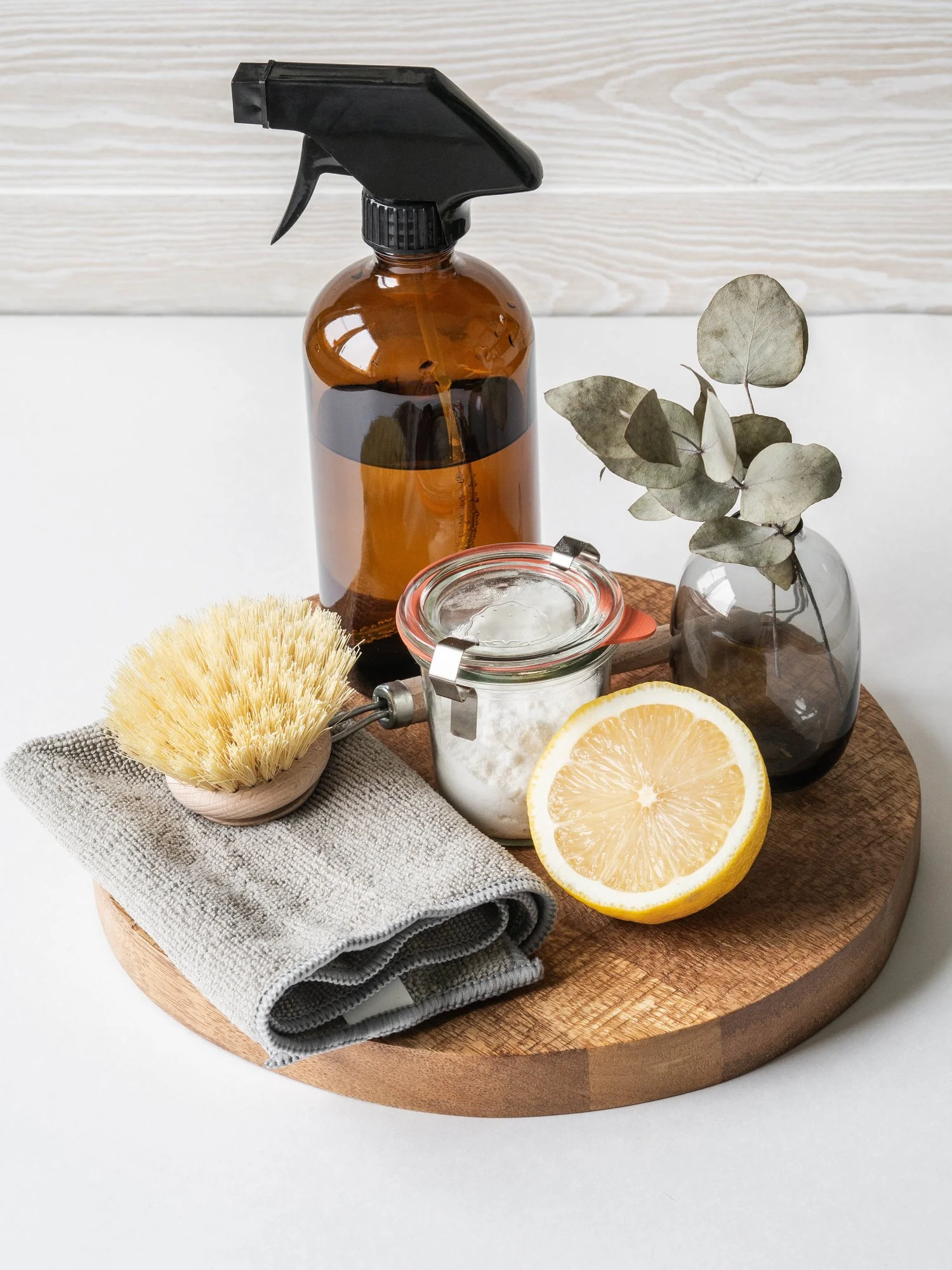
Natural homemade cleaning products
Easy swaps for lower tox lifestyles in your family home.
Home is where the heart is. We can choose to keep our homes low tox or choose to fill them with synthetic chemicals depending on our purchases. Items such as furniture, cushions, carpet, cleaning sprays & air fresheners can be more natural or toxic depending on what we buy. The choice is ours to make. For families, pregnant women, or anyone simply wanting to breathe a little easier, lowering the toxic load is an achievable goal. While it’s difficult to eliminate ALL toxins, we can make sensible choices and swaps to reduce the toxic load significantly.
Small, consistent changes add up.
Paediatric and environmental health groups generally recommend that families with young children pay particular attention to reducing exposure to things like flame retardants, certain plastics, and heavy metals.
Air
Indoor air is often more polluted than outdoor air, partly because modern homes can be sealed for various reasons trapping fumes from furniture, paint, and cleaning products.
Ventilate often. Open windows when weather allows and run exhaust fans when cooking or showering. Mould can be devastating on health with consistent exposure.
Be picky about candles and air fresheners. Many release volatile organic compounds (VOCs) and synthetic fragrance chemicals. Instead, choose natural sprays with essential oils and beeswax or soy candles with cotton wicks as safer alternatives.
Choose natural/eco bedding, furniture & décor or let new furniture and mattresses air out before use. New foam, particleboard, and treated fabrics can release VOCs for weeks. Airing them out in a garage or well-ventilated room before bringing them into a bedroom helps.
Vacuum and dust regularly with a HEPA filter. Household dust is a major reservoir for lead, flame retardants, and pesticide residue that settle out of the air.
Fill your home with air-purifying plants like Peace Lily, Snake Plant, Rubber Plant, Boston Fern, Spider Plant and Weeping Fig. Natural filtration AND pretty too!
The Kitchen
Swap nonstick pans for stainless steel or cast iron where practical, especially for high-heat cooking. Older nonstick coatings can degrade and release particles when scratched or overheated.
Use wooden utensils and cutting boards. Plastic cutting boards shed microplastics into food and us.
Avoid microwaving entirely but if you must, avoid putting food in plastic containers and skip plastic wrap touching hot food directly. Heat can encourage chemicals to migrate from plastic into food. Glass or ceramic containers are an easy substitute.
Filter your tap water if needed. Depending on where you live, tap water can carry traces of lead, PFAS, or disinfection byproducts like chlorine as well as fluoride. A simple activated carbon filter handles many common contaminants. Under sink models are great too.
Choose fresh or frozen over heavily packaged and canned foods when budget allows, since some can liners contain BPA or similar substances, and ultra-processed foods tend to carry more additives generally.
Swap food packaged in plastic and foil for bulk buy shops where you can take your own containers or shop at local markets to avoid packaging all together.
Cleaning
Many conventional cleaning products combine fragrance chemicals, solvents, and disinfectants that aren't necessary for everyday cleaning.
Simple staples go a long way: plain soap and water, vinegar and water for glass and counters, and baking soda for scrubbing handle most household messes without added fragrance or harsh fumes. There are many cleaning products now that are that safer for humans and our environment. Examples we at Gathered Blends like are TriNature, Simply Clean and Dirt.
Skip ‘antibacterial’ everything. For routine cleaning, regular soap is just as effective at removing germs as antibacterial formulas, without contributing to resistance concerns or unnecessary chemical load.
Borax and hydrogen peroxide are handy powerful cleaners when a little EXTRA is required.
The Nursery & Kids' Rooms
Because children spend so much time in their bedrooms and play areas, these rooms are worth extra attention.
Choose a firm, breathable mattress and pillows and avoid unnecessary waterproof or flame-retardant-treated covers when safer alternatives exist; think latex &/or organic fibres instead.
Wash new clothes, sheets, and stuffed animals before first use to remove manufacturing residues and excess dye. Again, choosing natural products when you purchase initially is ideal for humans and our environment.
Be mindful of second-hand furniture from before 2005, particularly upholstered items, which are more likely to contain older flame-retardant chemicals that have since been phased out in many places.
Choose low-VOC or no-VOC paint where available and keep spaces well ventilated.
Personal Care Products
Lotions, shampoos, sunscreen, and soap are applied directly to skin daily, making them worth a second look.
Choose natural skincare and topical remedies where possible.
Fewer ingredients are often simpler to evaluate. A short ingredient list is easier to understand and analyse than a long list of unknown substances.
Mineral sunscreens (zinc oxide or titanium dioxide) are a straightforward option for families wanting to avoid certain chemical UV filters. Chemicals from sunscreen are not only dangerous to humans but a disaster for waterways and coral reefs.
Use apps like Inci Beauty or Yuka to check ingredients for potential dangers.
Keep Perspective
Our homes are our havens and safe space away from the hustle & bustle, so it makes sense to keep them as pristine as possible. No family can eliminate every possible exposure and it’s neither realistic nor great for stress levels. The goal is to aim for improvement, not perfection. A few solid swaps in the areas with the highest exposure (air, food contact surfaces, cleaning products, and what touches skin most often) will do far more than agonizing over every single item in the house.
Think of your home detox as a gradual upgrade rather than an overhaul. Replace things as they wear out with lower-tox alternatives. Be aware of how the health of your family changes (if at all) so you are conscious of the positive impact these simple changes can have.