
The Slow Drift Indoors
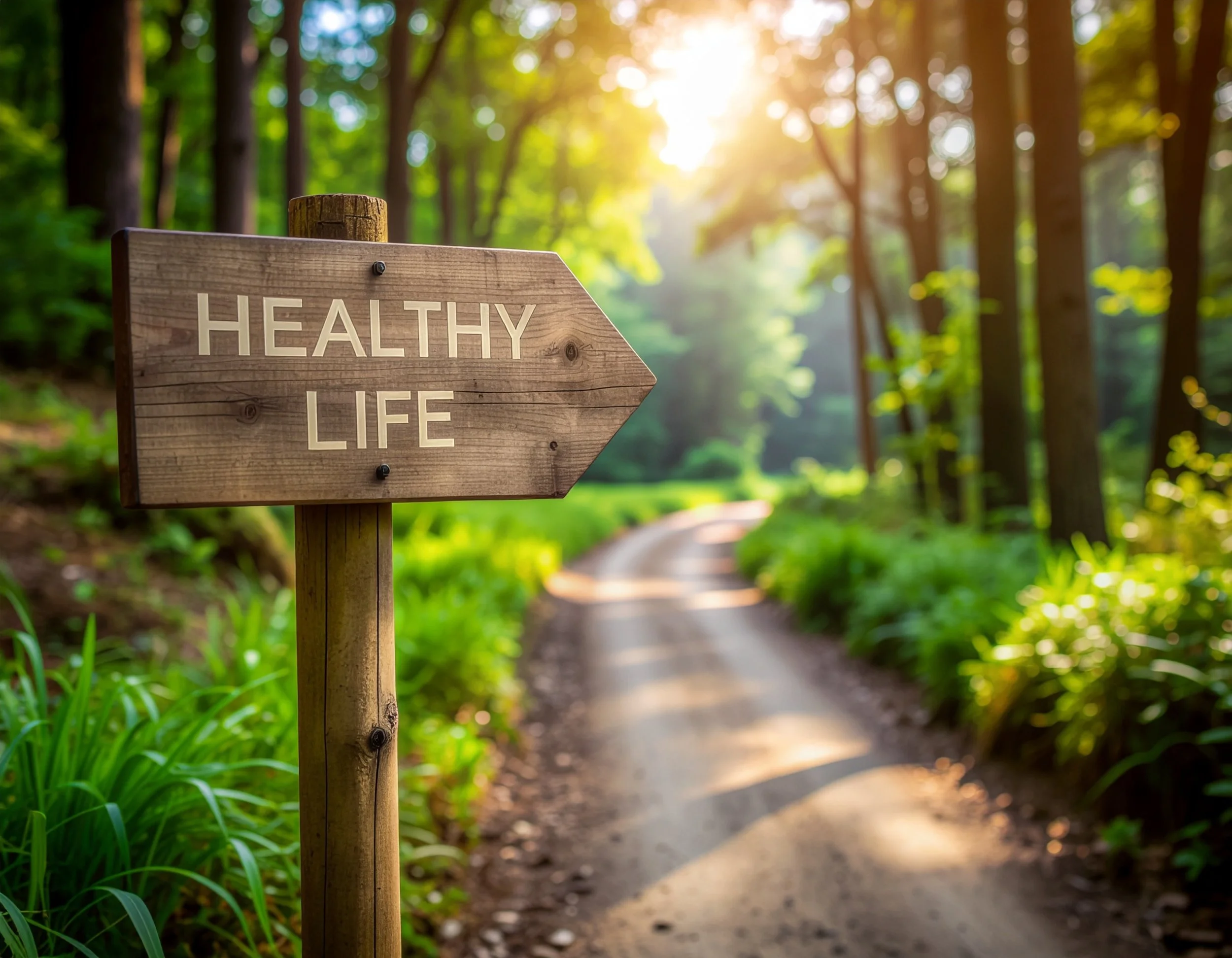
How do we find our way back….?
There was a time when nature wasn't something you visited as it was simply where you lived! That's no longer true for most of us, and the data tells the story from a few different angles.
How Far We've Drifted
Australians tend to think of themselves as an outdoorsy lot, and to an extent the data backs that up. Most of us say we enjoy nature and like getting outside when we can. But the daily reality looks worse than that perception as surveys of Australian adults have found that around one in three spend less than 20 minutes a day in outdoor activity, and one in four children under 16 get less than two hours of outdoor play a week. Around the world, the picture is similar but more extreme as people in industrialized countries are estimated to spend somewhere around 90% of their time indoors, with average daily screen use pushing past 10 hours.
City living compounds this on both sides of the Pacific. Well over four-fifths of Australians now live in urban areas, and global urbanization is only expected to climb further in the decades ahead. That shift quietly shrinks the small, unplanned encounters with trees, birds, and weather that once shaped an ordinary day.
Researcher Miles Richardson's work on "nature connectedness" captures how far this has gone finding that in parts of England, the average person now spends only around four and a half minutes a day in green space, sadly less time than it takes to brew a cup of tea. His research also suggests the loss compounds across generations, since parents who feel disconnected from nature are more likely to pass that disconnection on to their children.
Up the garden path – losing plant knowledge
Growing your own food used to be an ordinary part of Australian life. Around 45% of Australians still grow some of their own food today, but that's down from the near-universal backyard productivity recorded in the early 1990s, and it's concentrated more in older age groups than younger ones. Something similar is happening in the US, where home gardening has eased back from its pandemic-era peak.
The loss isn't just about vegetables. For generations, ordinary people carried working knowledge of which plants soothed tummy ache, calmed a rash, or eased a cough. This knowledge passed down through hands-on contact with gardens and bushland. As fewer of us grow anything or spend time identifying what's around us, that knowledge fades too, and researchers studying traditional and Indigenous communities have specifically pointed to the loss of plant-medicine knowledge among younger generations as both an ecological and cultural cost.
Food consumption and medicine
The same drift is evident on our plates. Ultra-processed foods now account for roughly 39% of energy intake among Australian adults, and considerably more among teenagers. In the US, the figure is higher still, with more than half of daily calories for the average adult coming from ultra-processed sources. In both countries, this reflects the same underlying shift of less time spent growing or preparing whole food, more reliance on packaged convenience for our fast-paced, busy lives with a blob on the couch at the end of the day.
Our growing reliance on medication tells a similar story. In Australia, close to one in five people were dispensed a mental health-related prescription in the last year, up steadily from about one in six a decade ago, and roughly 40% of Australians aged 75 and over are on five or more medications simultaneously. In the US, prescription drug use has climbed even further, with around 70% of adults now taking at least one prescription medication regularly. While some medications prolong lifespan, chronic stress, poor diet, and nature-deprived, sedentary living are well-established upstream contributors to many of the conditions these medications treat.
Why This Matters
Feeling connected to nature is associated with greater wellbeing and life satisfaction, and researchers increasingly treat it as a measure of how willing people are to look after the world around them. Seen together, the retreat indoors, the rise of processed food, the growing medication load, and the fading of plant knowledge look less like separate trends and more like different faces of the same slow drift towards disconnected living.
The Good News
Reversing this doesn't call for a wilderness retreat. Research tracking stress hormones in city dwellers found that just 20 to 30 minutes spent in a park, backyard, or other green space measurably lowered cortisol, with some benefit showing up in as little as ten minutes. Time outdoors has also been linked to better mood and sharper thinking because it interrupts the constant low-grade demands of screens and city noise.
Small, Repeatable Ways to Reconnect
Take a daily "nature pill." Even 10–20 minutes outside, without your phone, appears to be enough to shift your physiology.
Grow something, even one pot. A single herb on a windowsill or a small raised bed reintroduces the rhythm of tending something living.
Learn a few plants by name. Start with what's nearby like a tree on your street, a weed in the yard. Naming and noticing rebuilds the awareness that's quietly faded.
Cook one more meal from whole ingredients each week. A small, repeatable counterweight to a packaged-food default.
Involve the kids. Since connection to nature appears to pass, or fails to pass, from parent to child, shared outdoor time is one of the more durable investments you can make.
The data suggests our disconnection from nature crept up gradually, one indoor hour and one skipped walk at a time. The reassuring part is that reconnection seems to work the same way, a few minutes at a time, repeated often enough to matter
References
Planet Ark, Outdoor Lifestyle Survey.
Educated by Nature, Excess Screen Time is Top Health Concern for Australian Parents.
Klepeis, N. E., et al. (2001). The National Human Activity Pattern Survey (NHAPS).
Nielsen (2016). Total Audience Report.
Richardson, M. Nature connectedness research, University of Derby.
The Australia Institute / Gardening Australia (2025). Gardening Statistics Australia.
ABS (1992). Domestic Food Production Survey.
Pesek, T., et al. Plant blindness represents the loss of generational knowledge and cultural identity. Natural Sciences Education.
Marchese, L., Livingstone, K. M., Woods, J. L., Wingrove, K., & Machado, P. Ultra-processed food consumption, socio-demographics and diet quality in Australian adults. Public Health Nutrition.
Juul, F., et al. (2022). Ultra-processed food consumption among US adults from 2001 to 2018. American Journal of Clinical Nutrition.
AIHW (2025). Mental health-related prescriptions.
AIHW / OECD (2021). Polypharmacy among people aged 75 and over.
Gu, Q., Dillon, C. F., & Burt, V. L. (2010). Prescription Drug Use Continues to Increase. NCHS Data Brief No. 42, CDC.
Capaldi, C. A., Dopko, R. L., & Zelenski, J. M. (2015). The relationship between nature connectedness and happiness. Frontiers in Psychology, 5, 976.
Hunter, M. C., Gillespie, B. W., & Chen, S. Y. (2019). Urban Nature Experiences Reduce Stress in the Context of Daily Life Based on Salivary Biomarkers. Frontiers in Psychology, 10, 722.